



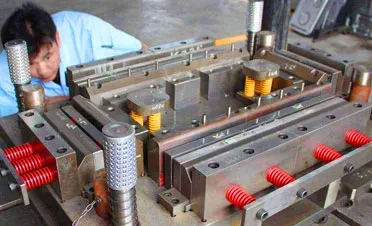

sand casting products
sand casting products
Materials Used for Sand Casting Sand casting is a widely used manufacturing process known for its versatility and cost-effectiveness, allowing for the production of complex shapes and sizes in metal components. The materials used in sand casting include not only the type of sand itself but also other essential elements that contribute to the integrity and functionality of the cast products. This article delves into the primary materials involved in the sand casting process. 1. Sand The most critical material in sand casting is, undoubtedly, the sand itself. The sand used in sand casting is typically silica sand, composed primarily of silicon dioxide. This type of sand is favored due to its high melting point, which is conducive to casting metals without deforming the mold. The sand must have certain properties, such as grain size and shape, which affect the strength and finish of the cast product. a. Grain Size The grain size of the sand impacts the surface finish of the casting. Finer grains yield a smoother surface but may require additional mold treatments to ensure strength, while coarser grains provide better strength but can result in a rougher surface finish. b. Bonding Agents To create a stable mold structure, bonding agents are often added to the sand. Common bonding materials include clay, which helps bind the sand grains together, and water, which activates the clay. The most frequently used clay is bentonite, primarily because it enhances the sand's plasticity and cohesiveness. 2. Metals The choice of metals for casting varies widely based on the desired properties of the final product . Common metals used in sand casting include what materials are used for sand casting - Aluminum Lightweight and resistant to corrosion, aluminum castings are prevalent in the automotive and aerospace industries. - Cast Iron Known for its excellent castability, wear resistance, and low cost, cast iron is commonly used in manufacturing engine blocks and other heavy machinery components. - Brass and Bronze These copper alloys possess good mechanical properties and corrosion resistance, making them suitable for decorative items as well as functional parts in various industries. The metal's composition directly affects the casting's physical properties, such as strength, ductility, and thermal conductivity. 3. Additives and Coatings To improve the properties of the casting and the molding process, various additives and coatings are employed. For instance, release agents are applied to prevent the metal from sticking to the mold. These agents help in the easy removal of the cast product without damaging either the mold or the casting. Additives can also modify the properties of the sand mold. For example, some additives can enhance the mold's thermal stability, while others may help in controlling the moisture content of the sand mixture. 4. Tools and Equipment While not a direct material, the tools and equipment used in the sand casting process are vital. This includes the mold-making equipment, melting furnaces, and pouring systems. The efficiency of these tools impacts the overall quality and consistency of the cast products. Conclusion In summary, the materials used in sand casting play a crucial role in determining the quality and characteristics of the final cast components. From the choice of sand and bonding agents to the selection of metals and additives, each material contributes to the overall efficiency and effectiveness of the sand casting process. As industries continue to innovate and demand higher standards, the materials and techniques used in sand casting will also evolve to meet those needs, ensuring that this traditional method remains a relevant and valuable manufacturing process.
-
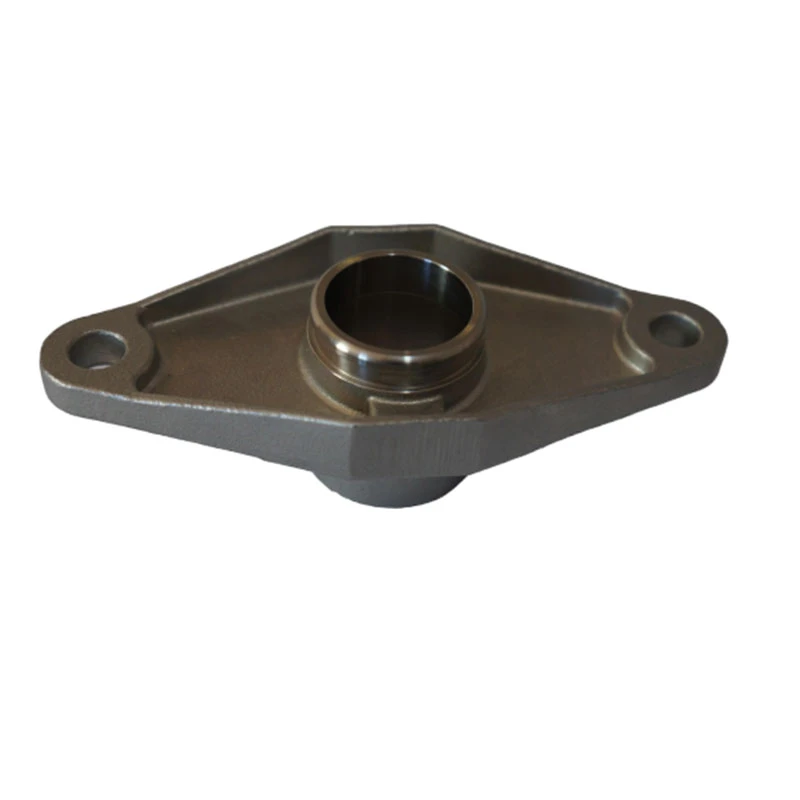 2026-06-15 16:17Precision Valve Solutions for Enhanced Performance and Reliability in Fluid Control SystemsPrecision Valve SA Pioneering Excellence in Valve Manufacturing In the realm of industrial applications, precision valves are essential components that ensure the efficient functioning of various systems. Precision Valve SA has emerged as a leader in this field, distinguished by its commitment to quality, innovation, and sustainability. Founded on the principles of engineering excellence, the comp
 -
2026-06-15 16:15Understanding the Benefits and Applications of Alloy Die Casting in Manufacturing ProcessesUnderstanding Alloy Die Casting A Comprehensive Overview Alloy die casting is a widely utilized manufacturing process that allows for the production of complex metal parts. This technique is particularly popular in industries that demand high precision and durability, such as automotive, aerospace, electronics, and general manufacturing. In this article, we will explore the intricacies of alloy di
-
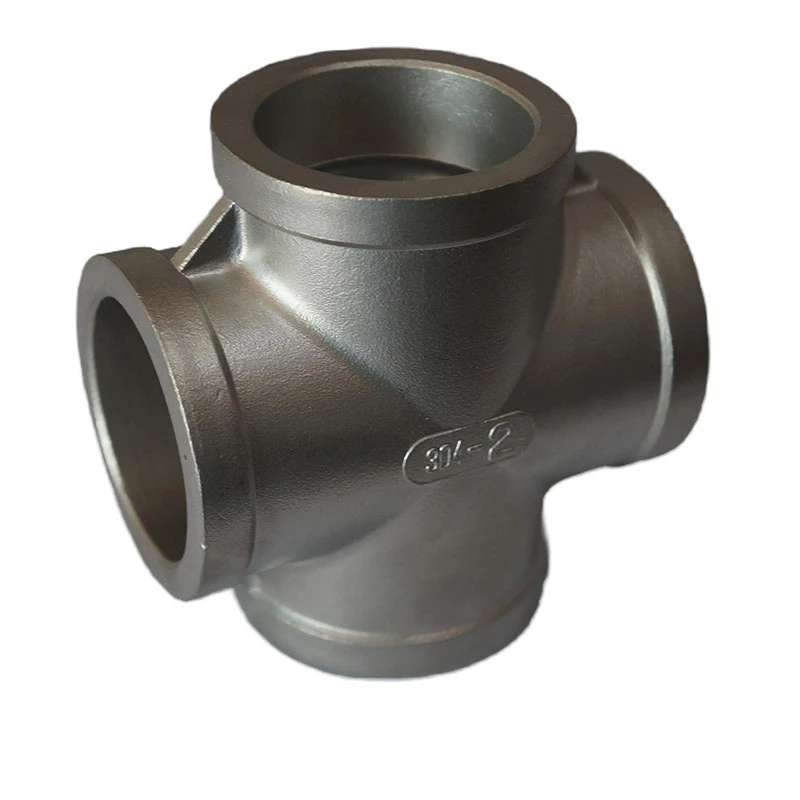 2026-06-15 15:22Premium Quality with HAIRUN’s OEM Sand Casting Automotive PartsWhen it comes to automotive parts, quality and reliability are non-negotiable. At HAIRUN, we pride ourselves on being a leading name in the industry, specializing in OEM Sand Casting Automotive Parts designed for exceptional performance and durability. Our commitment to excellence ensures that you receive parts that not only meet but exceed your expectations. Unmatched Durability: Why Choose Our O
 -
 2026-06-15 14:08precision performance castingsNavigating the complex world of online shopping often introduces potential buyers to numerous product codes and specifications that can be confusing. One such intriguing code is [4c2z 12a690 ba]. This code represents a specific auto part that caters to a niche market. Exploring the depths of this product exposes a blend of intricate engineering and remarkable reliability that automotive enthusiast
 -
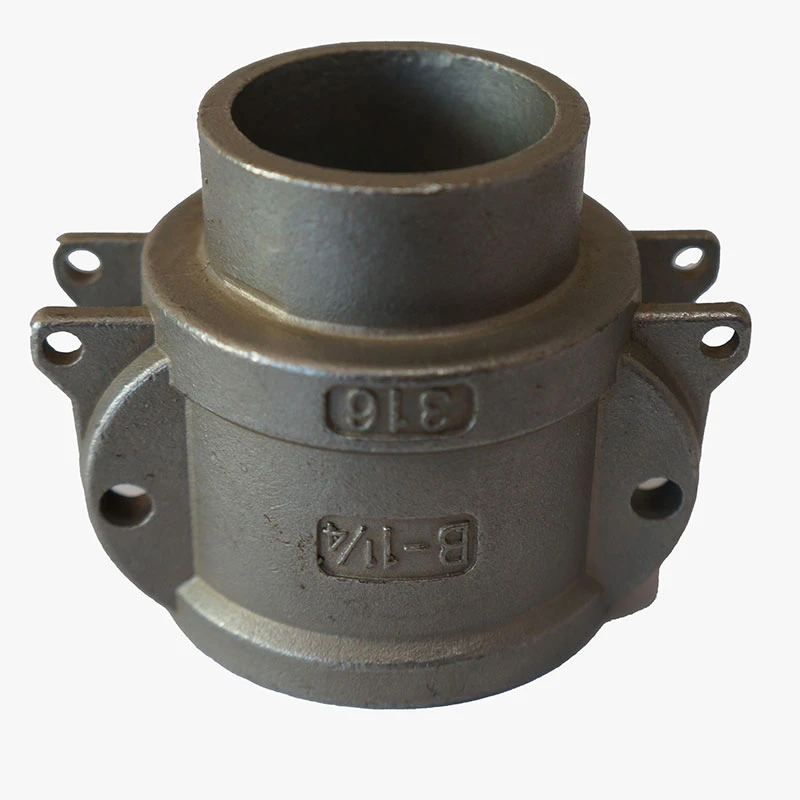 2026-06-15 13:45Tubi in ghisa di sabbia caratteristiche e applicazioni nel settore industrialeTubazioni in Ghisa Sferoidale Un'Analisi Approfondita La ghisa sferoidale, nota anche come ghisa ductile, è un materiale ampiamente utilizzato nella costruzione di tubazioni, in particolare per la distribuzione di acqua e il drenaggio. Questo tipo di ghisa è caratterizzato da una microstruttura unica che conferisce alla materia proprietà meccaniche superiori rispetto alla ghisa grigia tradizionale